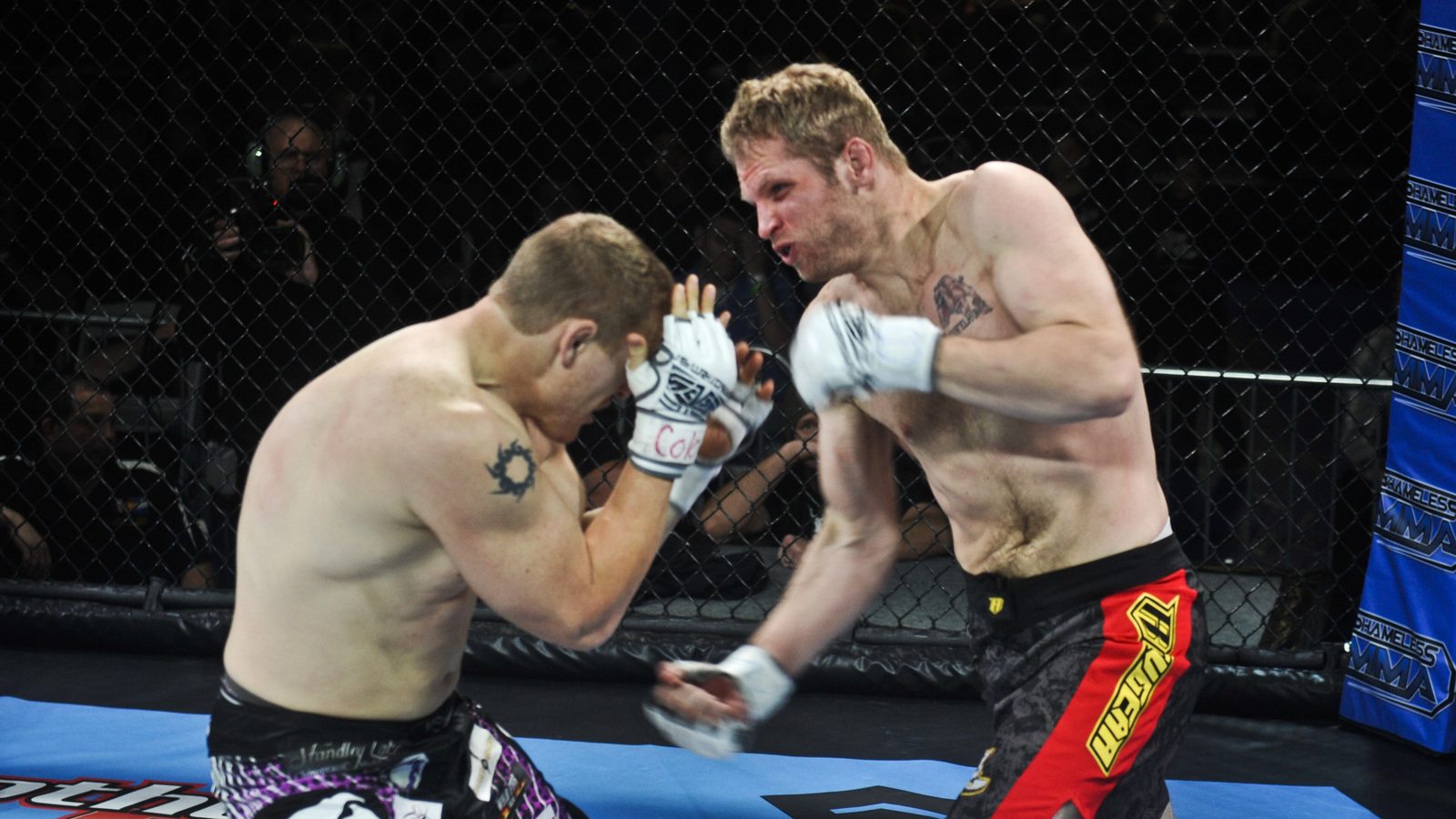
- Each prompt asks a single question: record, styles, weigh-in, odds and checklist.
- A fighter competes only a few times a year: the sample is always small and the AI can mix up similar names.
- A prompt organizes your fight analysis, it does not pick the bet and it does not guarantee a result.
Save this article: the next time you look at a fight card, come back, copy the prompt you need and pick up where you left off.
Your progress is saved in this browser.
Which prompts work for betting on UFC and boxing?
In a fight there is no team, no standings table and no rematch the following week.
There are two people, few precedents and a lot of loose information.
If you ask an AI “tell me who wins”, the answer comes out vague or made up.
That is why this article splits the analysis into five prompts.
Each one asks a single question.
You put the answers together and draw your own conclusions.
All the prompts use parameters in [BRACKETS].
Replace each one with your own data before you paste.
If you leave a bracket unfilled, the AI fills it with whatever comes to mind.
Golden rule: first check that the AI is talking about the right fighter.
There are many fighters with almost identical names, and the AI mixes up their records without warning.
In every prompt we ask for a source and for it to write “I don’t know” when it cannot verify.
This article does not explain how a fight is modeled from scratch.
That is in what AI can and cannot predict in boxing and UFC.
And if you are looking for a prompt for another market, there is the index of ChatGPT prompts for every betting market.
Before you paste: three rules so the AI answers better
- Turn on web search: without it, the AI does not have the latest fights or the weigh-in result.
- Identify each fighter: full name, weight class and country, so it does not confuse him with someone else.
- Paste the odds yourself: you see them at your bookmaker, the AI does not.
Features change: check in the app what your plan includes.
Not every version of an AI searches the internet.
If yours does not, paste the data in yourself and use it only to organize and calculate.
Prompt 1: recent record and level of opponents
This is the starter prompt.
The overall record says little if you do not know who it was built against.
Winning five fights against weak opponents is not the same as winning two against top-level ones.
Analyze the [SPORT: UFC OR BOXING] fight between [FIGHTER A] and [FIGHTER B], [WEIGHT CLASS], on [DATE].
For each one, list his last [N] fights: date, opponent, result, method and the round it ended in.
Add the record each opponent had at that time.
Confirm each fighter’s country and weight class so you do not confuse him with another fighter with a similar name.
Cite the source for each fight and, if you cannot verify a piece of data, write “I don’t know”.
What it returns
A short list of fights for each fighter, with the level of each opponent.
It helps you see whether the streak is real or inflated.
It is the base for the other four prompts.
How to verify it
Open the source and check two fights from each list.
Make sure the date, the opponent and the method match.
If a fight shows up in another weight class or another country with no explanation, it may be a different fighter.
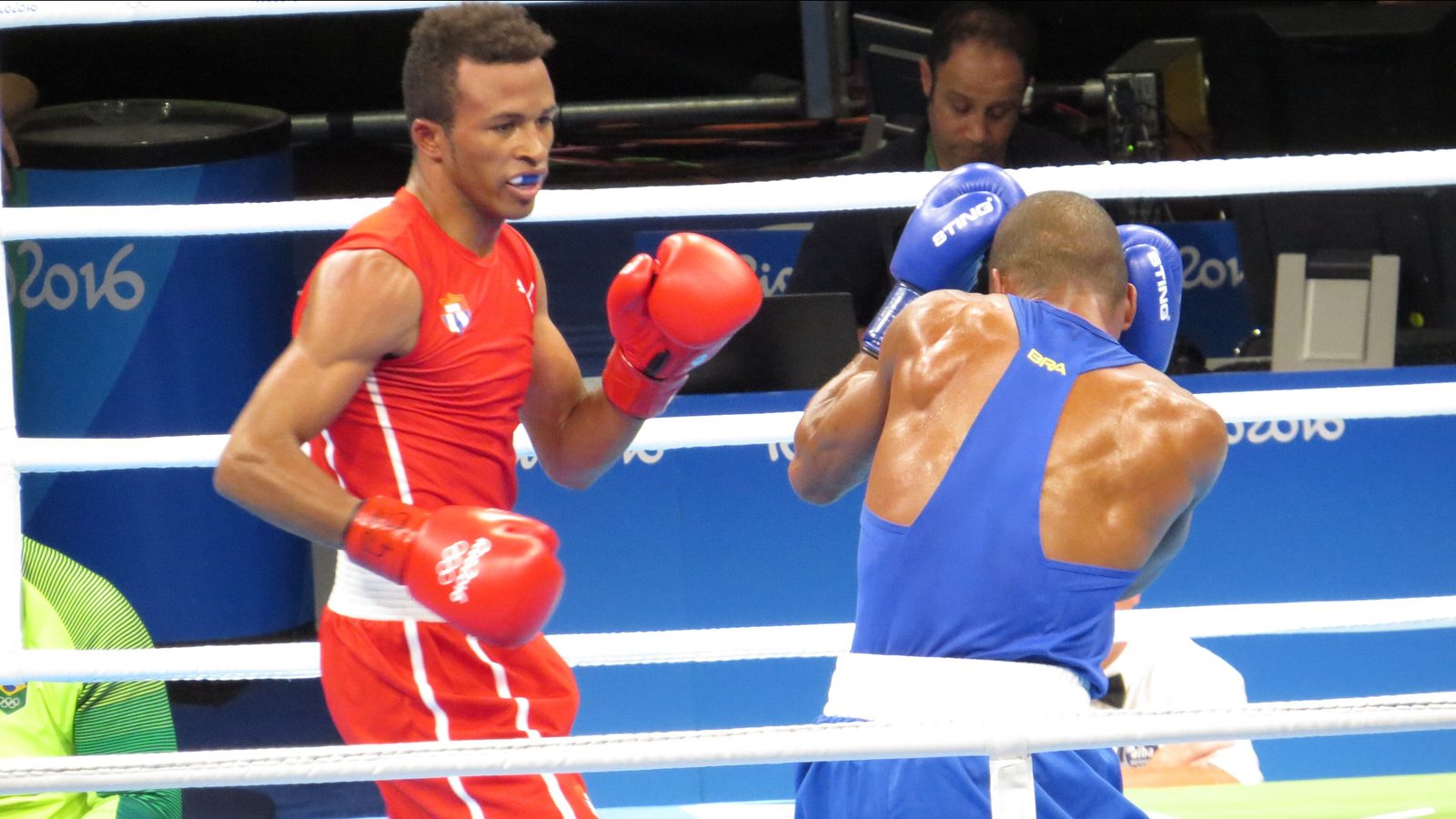
Prompt 2: style against style and how their fights end
The record tells you how much, the style tells you how.
A striker, a wrestler and a counterpuncher make for very different fights.
This prompt looks for that explanation and crosses it with the method of each finish.
For [FIGHTER A] and [FIGHTER B], describe each one’s style: striker, wrestler or counterpuncher.
Tell me how their last [N] fights ended: knockout, submission or judges’ decision, and in which round.
State how many times each one went the full scheduled distance.
Separate facts from opinion: mark with “fact” what comes from a source and with “opinion” what is your own reading.
Cite the source for each fact and write “I don’t know” if you do not have it.
What it returns
A profile of each fighter and a count of how his fights end.
That count is what matters for the method market and for the total rounds.
The styles part is a reading, not a number.
How to verify it
Count the finishes yourself with the list from prompt 1.
If the AI says “he almost always finishes by knockout” and the list shows two out of five, the list wins.
Compare the description of the style with fights you have seen.
Beware of finishing percentages.
Three knockouts in five fights can be written as “60%”, and it sounds firm.
With five fights that number says almost nothing: see why a small sample misleads.
Prompt 3: weigh-in, weight cut, inactivity and opponent changes
This is the information that changes the most in the final week.
A fighter who missed weight, who returns after a year off or who accepted the fight on short notice arrives differently.
The AI does not know unless it looks it up today.
Look for news from the last [N] days about the fight between [FIGHTER A] and [FIGHTER B] on [DATE].
Tell me: 1) whether both made weight and whether either changed weight class, 2) how many months each one has gone without fighting, 3) whether either accepted the fight as a replacement and on how much notice, 4) confirmed injuries or camp changes.
Put the date and the link on each news item.
Do not use social media rumors as if they were facts.
If you find no confirmed information, write “I don’t know”.
What it returns
A context sheet with a date on each piece of data.
It warns you whether the fight you analyzed is still the same fight.
A change of opponent makes everything before it useless.
How to verify it
Look at the date of each news item: one from a month ago may be stale.
The weigh-in result is published the day before the event, so check it at the official source.
If the AI brings no link, treat the data as unconfirmed.
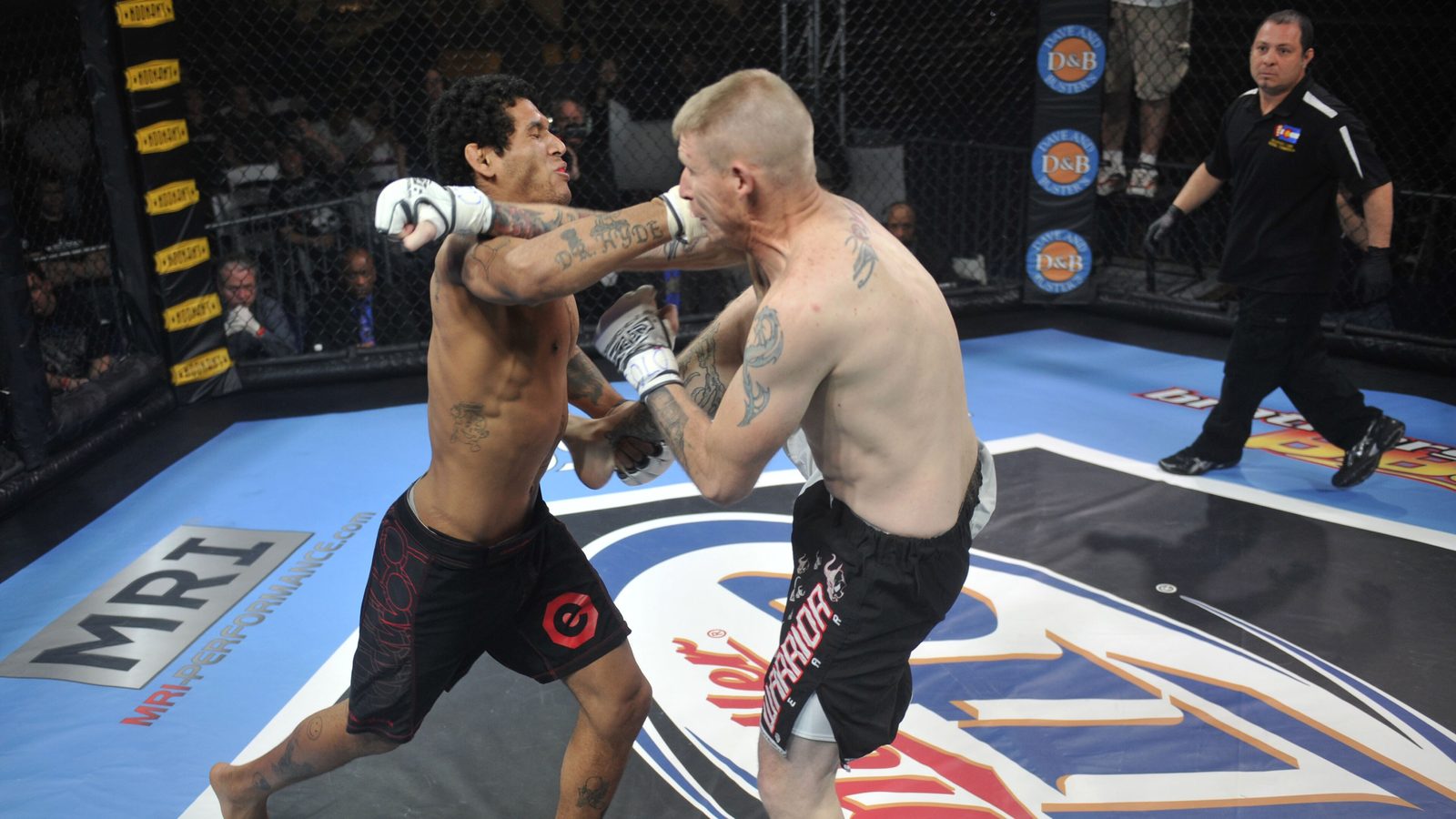
Prompt 4: the odds on the winner, the method and total rounds
This prompt compares what the market offers with what you estimate.
It needs you to pass it the odds.
It does not look for a bet, it looks for the distance between your number and the market’s.
In the fight between [FIGHTER A] and [FIGHTER B], [FIGHTER A]’s odds are [ODDS A] and [FIGHTER B]’s odds are [ODDS B].
The total rounds line is [LINE], with the over at odds of [OVER ODDS] and the under at odds of [UNDER ODDS].
The odds of [METHOD: KNOCKOUT, SUBMISSION OR DECISION] for [FIGHTER] are [METHOD ODDS].
Calculate the implied probability of each set of odds, step by step, and how much the two on the winner add up to.
Do not estimate the real probability yourself and do not tell me whether it is worth betting: just do the calculations.
What it returns
The probability the market gives to each outcome.
The calculation is 1 divided by the odds.
Whatever goes over 100% when you add the two on the winner is the bookmaker’s margin.
| Market (example) | Odds | Implied prob. | Your estimate | Reading |
|---|---|---|---|---|
| Favorite wins | 1.60 | 62.5% | 60% | No gap in favor |
| Opponent wins | 2.40 | 41.7% | 40% | No gap in favor |
| Over 2.5 rounds | 1.80 | 55.6% | 62% | Gap in favor, small sample |
| Under 2.5 rounds | 2.00 | 50.0% | 38% | Gap against |
The numbers in the table are an example to show the calculation.
The two odds on the winner add up to 104.2%: that 4.2% is the margin in the example.
The “your estimate” column is filled in by you, not by the AI.
How to verify it
Redo the calculations with the odds converter.
If you want to review the idea, there is the guide to implied probability.
If your calculation and the AI’s do not match, yours is the one that counts.
Prompt 5: the checklist before betting on a fight
This is the closing prompt.
It does not analyze the fight: it reviews your analysis.
You ask it to look for gaps before you put money down.
This is my analysis of the fight between [FIGHTER A] and [FIGHTER B] on [DATE]: [PASTE YOUR DATA AND CONCLUSIONS].
Act as a critical reviewer.
Tell me: 1) which piece of data is not verified, 2) whether any data may belong to another fighter with a similar name, 3) how many fights support each conclusion, 4) what last-minute information is missing (weigh-in, opponent change, injury) and 5) what bias I may have.
Do not give me a betting verdict.
Just flag risks.
What it returns
A list of gaps and risks.
It is the most useful prompt for stopping an impulsive bet.
If the list is long, maybe the best thing is not to bet.
How to verify it
Tick off each risk you resolved.
The ones you cannot resolve stay as a reason to skip the fight.
A good analysis can also end in not betting.
How to use the 5 prompts in order: step by step
What are the most common mistakes with these prompts?
- Accepting a record without checking that it belongs to the right fighter.
- Reading a knockout percentage built from four or five fights as if it were stable.
- Using an analysis made before the weigh-in without updating it.
- Asking the AI for the “real” probability of the fight: it does not have it and makes one up.
- Confusing a well-written answer with a true answer.
No AI bets for you or knows the result.
All of them can make up data, including the ones that search the internet.
Treat each answer as a draft that has to be checked.
What Gambeta does with boxing and UFC, no promises
To be clear: Gambeta does not currently publish regular boxing or UFC picks.
These prompts are for organizing your own analysis.
The page with today’s UFC predictions shows whatever has been published for the event, when there is something.
What we do publish every day are predictions for other sports, with our own model.
Each one stays in the public record with its odds, win or lose.
You can see how it works in the guide to AI for sports betting, with free predictions every day.
For adults 18 and over only.
Bet only money you can afford to lose, set a limit before you start and stop if you stop enjoying it.
More at responsible betting.
What to read next
If you want to understand what a model measures in a fight, continue with AI for boxing betting.
The other individual sport in the series has its own prompts: 5 prompts for tennis betting.
Another field with a small sample and data that goes stale fast is video games: 5 prompts for esports betting.
And for the rest of the markets, go back to the index of betting prompts by market.
Frequently asked questions
Which prompt should I use to bet on UFC?
Start with the one for recent record and the level of the opponents faced.
Then add the styles prompt and the weigh-in and inactivity prompt.
Always finish with the odds prompt and the checklist.
Does ChatGPT know each fighter’s record?
Only if it searches the internet, and even then it can get it wrong.
The most common mistake is mixing up two fighters with similar names.
Ask for the source and check that the record belongs to the fighter you mean.
Do the same prompts work for boxing and for UFC?
Yes, with two adjustments.
In boxing the number of rounds changes and there are no submissions.
In the brackets you state the sport, the weight class and the scheduled rounds.
Why is it so hard to estimate a fight?
Because each fighter competes very few times a year.
With so few fights, any percentage comes from a small sample.
Also, a single punch can change the result.
What happens if the opponent is changed at the last minute?
Your earlier analysis stops being useful.
The AI may keep talking about the original opponent if you do not tell it.
Run the prompts again with the new name and the new odds.
Does a good prompt guarantee I will pick the winner?
No.
No AI knows the result of a fight.
A prompt organizes the data, but betting always carries the risk of losing money.