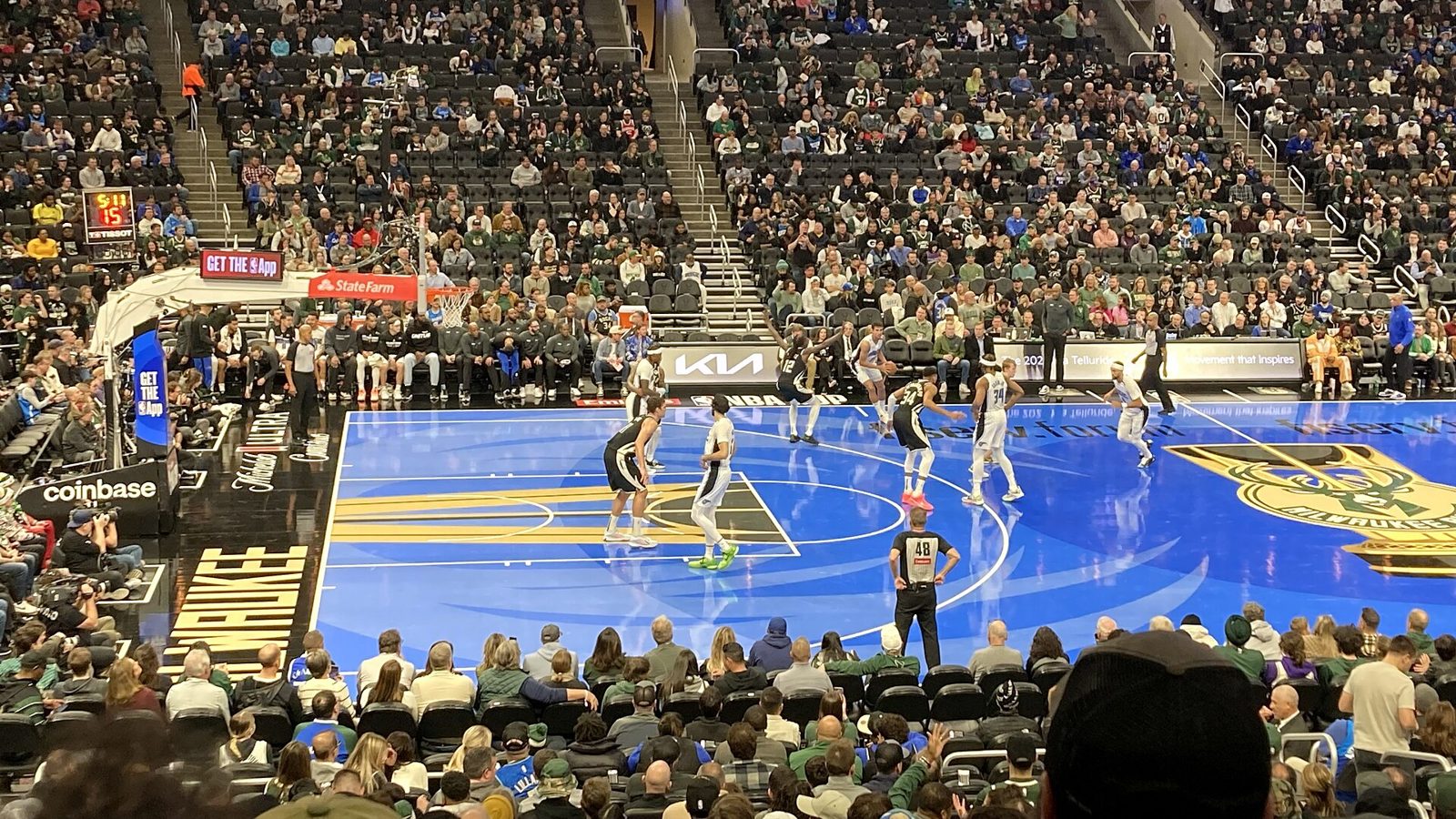

- Back-to-back: second game in two nights; in the model it is worth 1.75 points of margin.
- If both teams are coming off a game, the effect cancels out.
- It is context: the line already includes part of it.
Save the checklist and review it every time you see an NBA night with little rest.
Your progress is saved in this browser.
What is a back-to-back?
A back-to-back is playing two nights in a row.
In the NBA it is normal, because the season is long and has many games.
Often the team travels from one city to another between one game and the next.
It is the easiest way to measure rest.
| Term | What it means | How it is measured |
|---|---|---|
| Back-to-back | Playing two nights in a row | 0 days of rest |
| One day of rest | One night off between games | 1 day |
| Long rest | Two or more nights off | 2 or more days |
The example numbers are made up.
They serve to understand the logic of the adjustment, they are not real data.
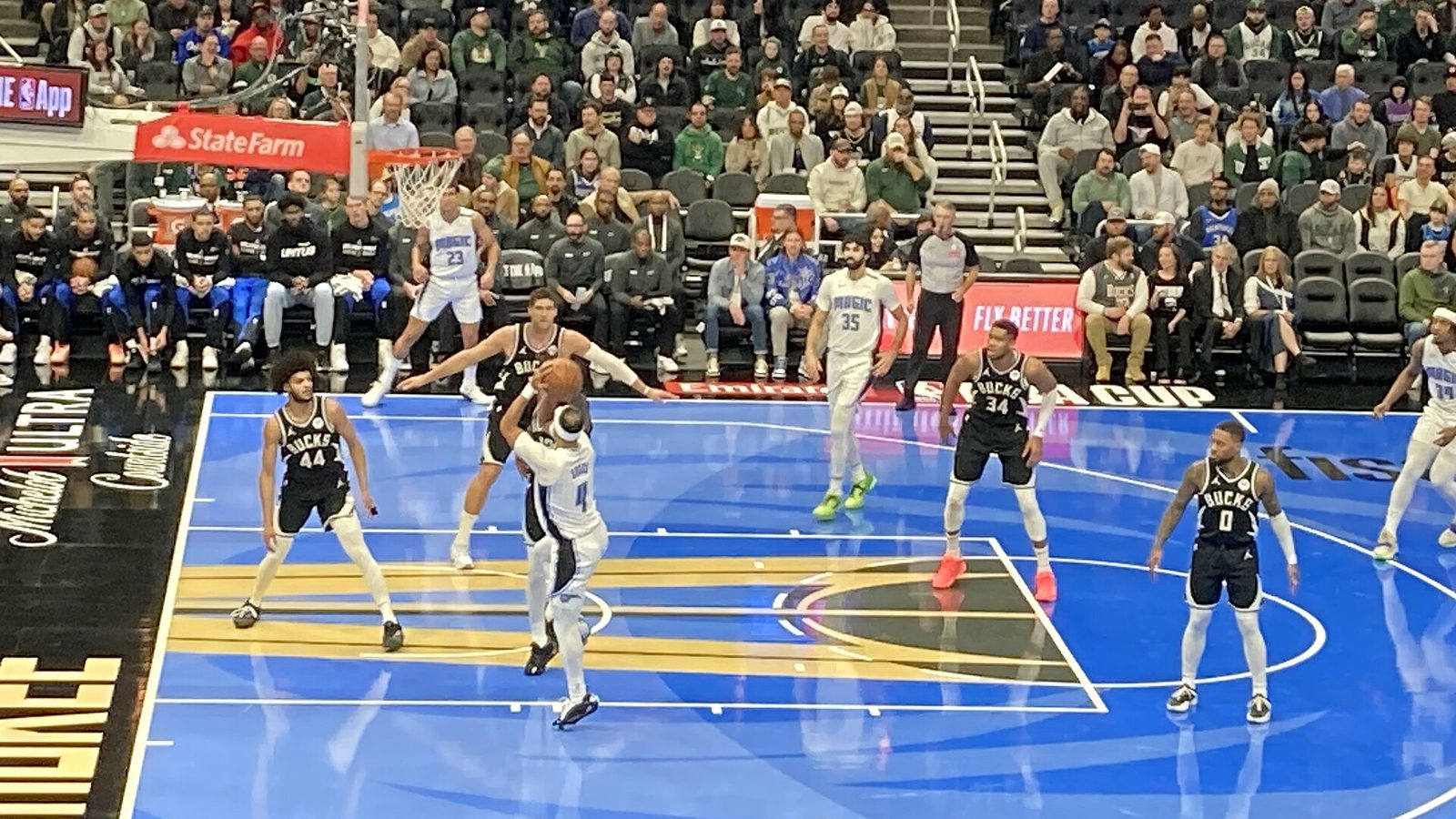

Why does it matter in betting?
A tired team can perform a little worse.
Coaches sometimes give the stars fewer minutes.
The team may also play weaker defense in the fourth quarter.
All of that moves the line a little.
- Fewer minutes: affects player props.
- Less intensity: can lower the total points.
- Star rest days: announced the same day.
- Travel: adds wear, especially if the time zone changes.
The market knows the schedule just like you do.
That is why the line already discounts part of it.
What you look for is a difference between your read and the line, not the data point alone.
How Gambeta treats it in its model
In the NBA model, Gambeta counts each team's days of rest from the schedule.
If the team played the night before, it counts as zero days of rest.
Only the previous four days are looked at.
Without a clear data point, no adjustment is applied.
| Sport | Effect in the model | Basis of the value |
|---|---|---|
| NBA | 1.75 fewer points of margin for the tired team | Literature and line movement |
| NHL | Tired team scores 3% fewer goals; the opponent, 4% more | Literature; the backup goalie often plays |
If both teams are coming off a game the night before, the adjustment cancels out.
That is, the result is zero.
Gambeta stores how many days of rest each team had in every pick.
That way it can be measured later with a sample of its own.
The values come from the literature and not from its own backtest.
That is why they are kept small.
They will be reviewed once there is enough sample.
Numerical example: how the margin reading changes
This is an example with made-up numbers.
The model, with no adjustments, sees the home team winning by 4.0 points.
The sportsbook offers the home team at a spread of minus 5.5.
| Scenario (example) | Adjustment | Model margin | Against the 5.5 line |
|---|---|---|---|
| Nobody on a back-to-back | 0 | 4.0 | −1.5 points |
| Tired visitor | +1.75 to the home team | 5.75 | +0.25 points |
| Tired home team | −1.75 to the home team | 2.25 | −3.25 points |
| Both tired | 0 | 4.0 | −1.5 points |
See how rest moves the reading.
With the tired visitor, the margin goes from 4.0 to 5.75.
That barely clears the line, by a quarter of a point.
It is a very small margin, and any new absence erases it.
Takeaway from the example: the back-to-back is a nudge, not a reason by itself.
It is combined with absences, pace and the odds.
To see how much an edge is worth, use the expected value calculator.

Checklist before betting a game with a back-to-back
- Who played last night, one team or both?
- Was there travel between cities?
- Is it the last game of a multi-game road trip?
- Are the stars on the injury report or resting?
- Has the line already moved because of the rest?
- Does it change the expected pace of the game?
- Is my edge larger than the sportsbook's margin?
If the injury report comes out late, wait.
A star who rests changes everything, and it is confirmed shortly before the game.
The prompt to check rest with an AI
Give it each team's schedule for the last week.
Ask it to count, not to guess.
Act as a basketball analyst. For the game [HOME] vs [AWAY] on [DATE], with these schedules for the last 7 days [DATES AND CITIES OF EACH TEAM].
Do this: 1) count each team's days of rest, 2) flag whether either one is playing the second night in a row, 3) say whether there was travel, 4) tell me who has the rest advantage, 5) list what I should confirm on the injury report.
Do not estimate how many points it is worth, just count. If a piece of data is not in my list, write "I don't know". Do not say it is a sure bet.
To build more complete prompts, use the prompt builder.
If you want the AI to follow your rules every time, read how to create your own AI.
The limits of this data point
- The market already knows it, and the line discounts part of it.
- The effect is small and hard to separate from other factors.
- We do not yet know its exact value from a sample of our own.
- A star's rest day changes more than the schedule does.
- It is useless without the day's injury report.
What to read next
For the general case of the schedule, read fatigue and schedule in betting.
For player bets, continue with NBA props with AI.
To bet on the league, see how to bet on the NBA and NBA picks with AI.
And each night's picks are in the Betting Journal and in the public record.
For adults 18 and over only.
Bet only money you can afford to lose.
See the responsible gambling guide.
Frequently asked questions
What is a back-to-back in the NBA?
It is when a team plays two nights in a row.
It usually involves a trip between cities.
That is why it is considered a rest disadvantage.
It is measured in days: zero days of rest means playing last night.
How much does a back-to-back change the result?
A little, but not in a guaranteed way.
Gambeta's model uses an adjustment of 1.75 points of margin for the tired team.
That value comes from the literature and from how lines move, not from its own backtest.
It has not yet been measured with a sample of its own.
What happens if both teams are on a back-to-back?
The effect cancels out.
The adjustment one team gets, the other gets too.
In that case, rest stops being an advantage for either side.
Look at other factors such as absences and pace.
Does a back-to-back affect player props?
It can affect minutes, which are the most important thing in props.
Some coaches rest the stars on the second night.
Wait for the day's injury report.
See the guide to NBA props with AI.
Does the same happen in the NHL?
Yes, games are also played on consecutive nights.
Gambeta's model uses a different adjustment: the tired team scores a bit less and concedes a bit more.
The reason is that the backup goalie often plays.
It is a literature value and not from its own backtest.
Does an AI know whether a team is on a back-to-back?
Only if you give it the schedule.
Ask it to count each team's days of rest.
Without that list it can get it wrong or invent dates.
Always verify on the official schedule.