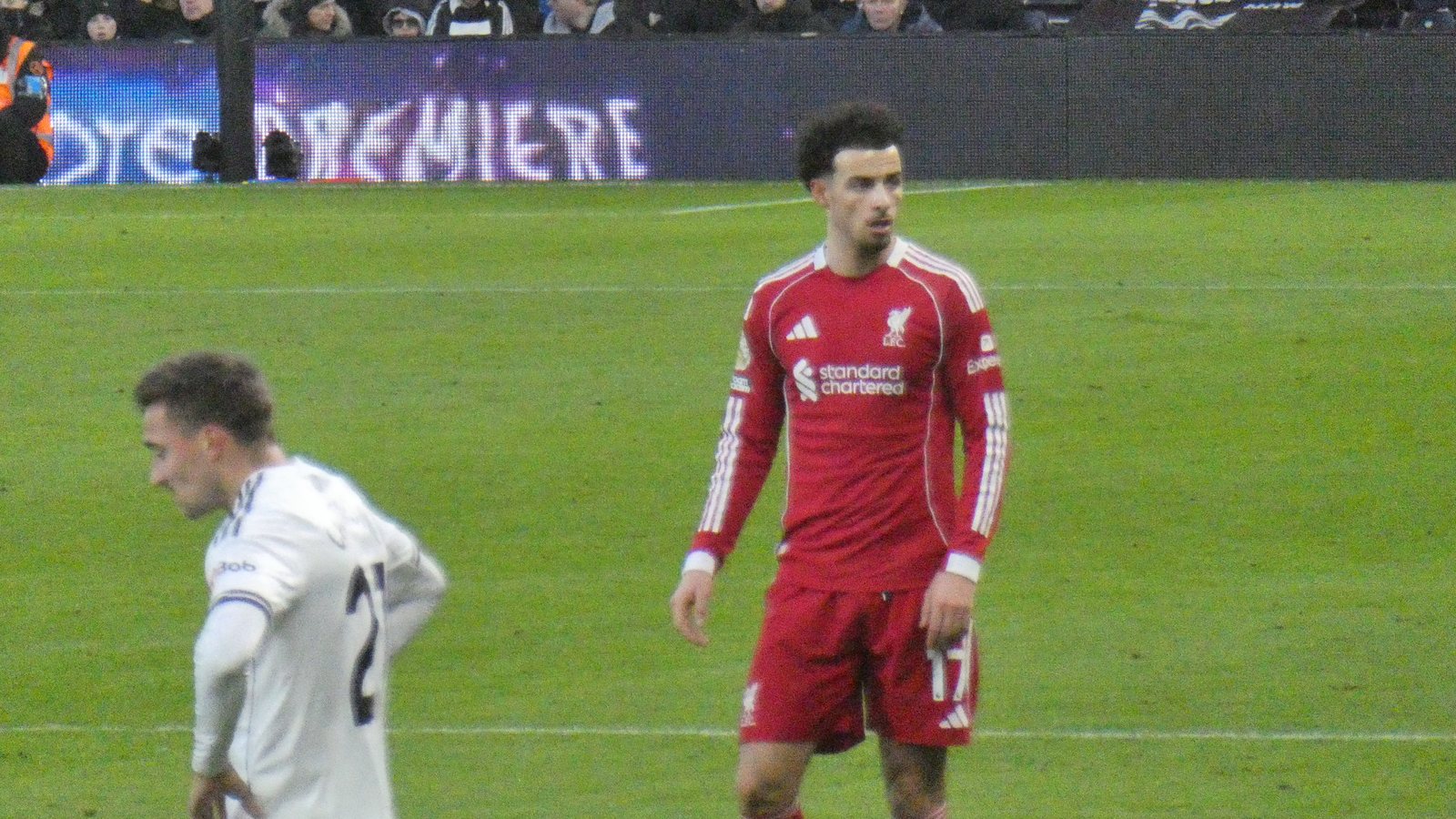

- Measure days of rest and games in 14 days, not "feelings".
- Rotation ahead of an upcoming cup tie usually weighs more than pure tiredness.
- Short rest by itself is not a signal to bet: the market already watches it.
Save the checklist from this guide and review it before every matchday with midweek cup games.
Your progress is saved in this browser.
What is fatigue in betting?
Fatigue is the wear a team suffers from playing many games in a row.
In betting it is used as a piece of context.
Three causes get mixed together: little rest, travel and rotation.
Each one is measured differently and weighs differently.
| Factor | What it measures | How it shows up |
|---|---|---|
| Rest | Time between two games | Days since the last game |
| Load | How many games in a row | Games in the last 14 days |
| Travel | Wear from moving around | Distance and time zone |
| Rotation | Changes of starters | Importance of the next game |
The numbers in this article are an example to teach the method.
They are not real statistics for any team.
What does the evidence say, and what is myth?
Be careful here.
Fatigue sounds logical, and that is why it gets exaggerated.
The market knows about it too, and its odds already include part of it.
This is what can be said with some confidence.
| Idea | Status | Comment |
|---|---|---|
| More rest helps | Common sense | But the opponent rests too |
| One day less changes the result | Frequent myth | The effect is usually small |
| Long trips weigh on a team | Plausible | Hard to separate from other factors |
| Teams rotate before a cup tie | Frequent | The lineup confirms it |
| Tiredness explains a loss | Be careful | Often an excuse after the fact |
In our own review of about 64,000 league matches with closing odds, short rest did not lower goals or results by itself.
That is why Gambeta did not add an automatic rest rule for league football.
This is a result of our review and may not apply to other leagues or eras.
Rotation around cup games is treated separately.
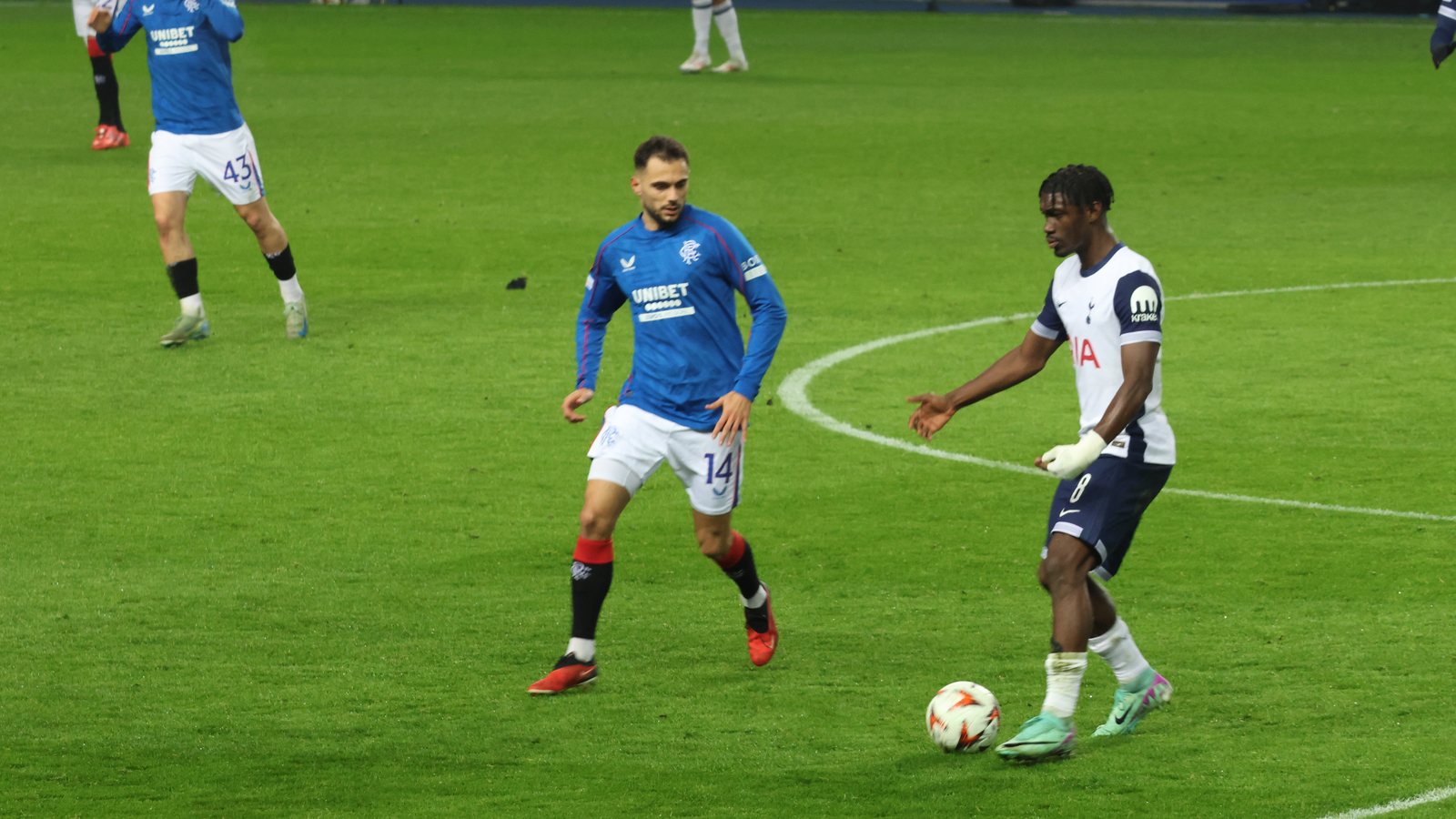

How to measure rest and load
Measuring is more useful than having an opinion.
There are two numbers anyone can pull from the schedule.
The first is the days between games.
The second is the games played in the last 14 days.
Numerical example: two teams, one match
This is an example with made-up data.
Team A played on days 1, 4, 7, 10 and 13, and today is day 14.
That is 5 games in 14 days, with 3 days between each, plus today's.
Team B played on days 3, 8 and 13.
| Data (example) | Team A | Team B |
|---|---|---|
| Games in 14 days | 6, counting today | 4, counting today |
| Days since the last game | 1 | 1 |
| Cup tie in the next 4 days | Yes | No |
| Reading | More load and rotation risk | Calm schedule |
The reading is only a piece of context.
If team A has its confirmed lineup with its starters, the risk drops.
If there are changes, the odds change, and the value may no longer be there.
Always compare with the odds before deciding.
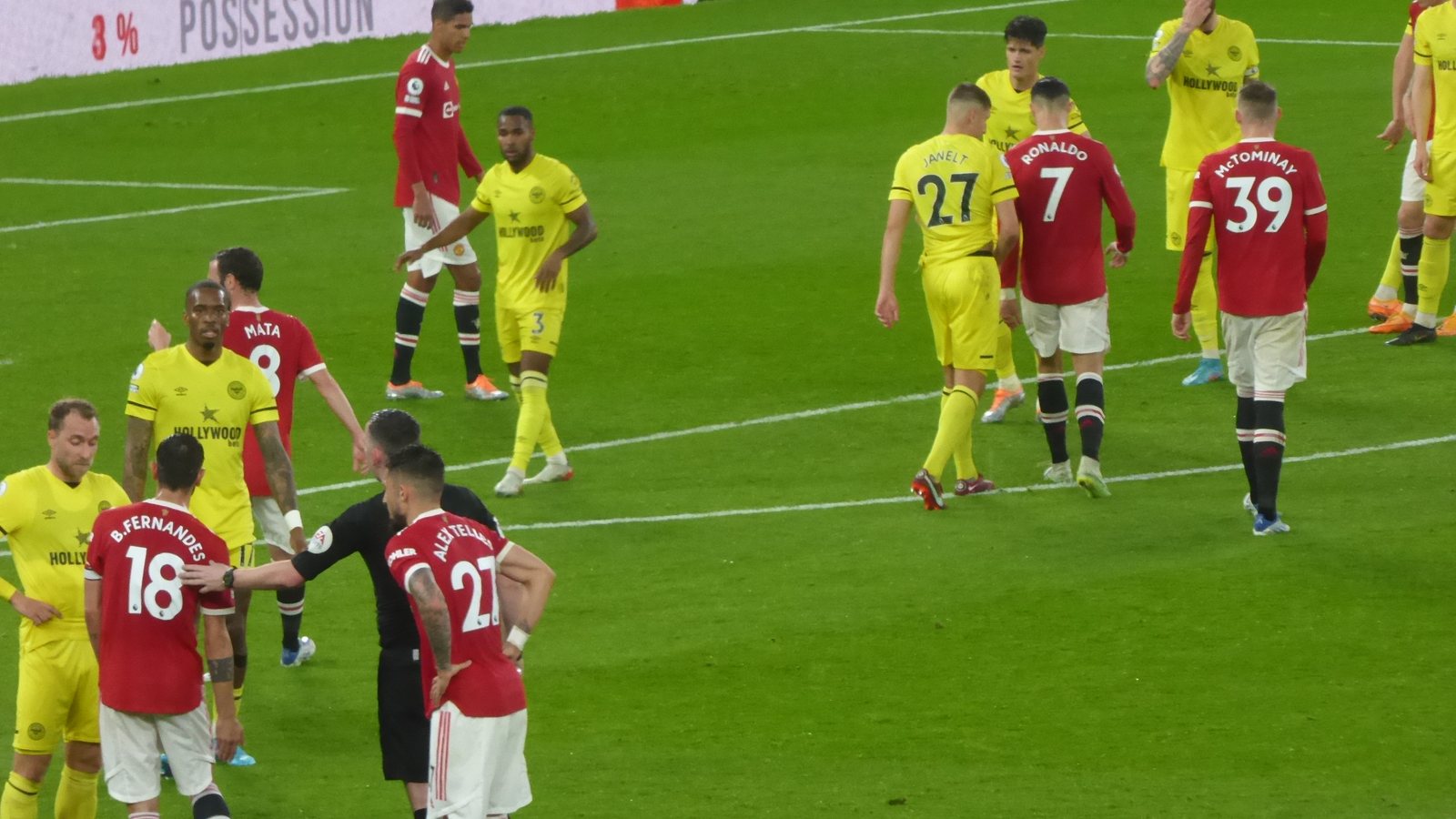

Midweek cups and rotation
Rotation weighs more than tiredness.
A coach may protect his best players before an important game.
That changes the lineup, and therefore the level of the team.
The most reliable signal is the confirmed lineup.
- Before a cup tie: coaches look at the schedule for the next 4 days.
- Lower-level opponents: rotation is more likely.
- Short squad: it is hard to rotate without losing quality.
- Coach: some rotate a lot and others almost never.
Gambeta counts rest, games in recent days and whether the next one is in a bigger competition.
It treats it as possible rotation, with a cap, and only when one team is more loaded than the other.
It is a context adjustment, not an automatic bet.
The same thing happens in the NBA with the back-to-back.

Travel and time zones
Long trips are the hardest factor to measure.
Distance, flight, hotel and time zone get mixed together.
The prudent thing is to note them and compare.
Do not treat it as a rule.
Better than having an opinion: keep a log of how many long trips each team had in recent weeks.
With the tracking spreadsheet you can add a column for that.
If the pattern repeats in your analyses, you will have a clue of your own.

Fatigue checklist before betting
- How many days of rest does each team have?
- How many games has each one played in 14 days?
- Is there a cup tie or an important game in the next 4 days?
- Does the confirmed lineup include the starters?
- Was there a long trip or a time zone change?
- Is my difference large or only one day?
- Do the odds already include the data point?
If you answer yes to only a few, the signal is weak.
Short rest, by itself, is not a reason to bet.
The prompt to measure fatigue with an AI
Give the AI the real schedule, do not ask it to look it up from memory.
Ask it to count, not to give opinions.
Act as a football schedule analyst. For the match [HOME] vs [AWAY] on [DATE], with these schedules [DATES AND COMPETITIONS OF EACH TEAM IN THE LAST 14 DAYS AND THE NEXT 5].
Do this: 1) count each team's days of rest, 2) count the games in 14 days, 3) flag whether the next game is a cup tie or a derby, 4) tell me who is more loaded and by how much.
Do not give opinions on physical condition, just count. If a piece of data is not in my list, write "I don't know". Finish with a list of what I should confirm in the lineup.
If you want an AI that keeps your rules fixed, read how to create your own AI.
To choose which one to work with, see the AI comparison.
What to read next
The clearest case of rest is the NBA: read the back-to-back and betting.
If you are interested in players, continue with NBA props with AI.
For football, see AI for football betting and football stats for betting.
And check how picks are recorded in the public record and in the Betting Journal.
For adults 18 and over only.
Bet only money you can afford to lose.
Read about responsible gambling.
Frequently asked questions
Does tiredness affect the result of a match?
It can, but it is hard to isolate.
What can be measured is days of rest and the number of recent games.
In our own review of about 64,000 league matches with closing odds, short rest did not lower goals or results by itself.
That is why it is context, not a rule.
How many days of rest is too few?
There is no magic number.
With two days or fewer between games, the risk of rotation and fatigue goes up.
With three or four days, the effect is usually small.
Always compare it with the opponent's rest.
What is rotation in football?
It is when a coach changes several starters to protect his players.
It happens a lot before a more important game, such as a cup tie.
That is why it pays to look at the schedule for the next few days.
Wait for the confirmed lineup before deciding.
Does a lot of travel hurt a team?
It can, but the effect is hard to measure.
Long trips with little rest are the clearest case.
Count kilometers and recovery days, not just distance.
Avoid treating it as a single rule.
Can an AI measure fatigue?
It can calculate days of rest and recent games if you give it the schedule.
It cannot see the players' physical condition.
It does not invent well, so always ask it to cite the source.
Use the prompt in this guide.
Does Gambeta use the schedule in its picks?
Yes, as a piece of context in football.
It counts rest, games in recent days and whether the next one is a cup tie.
It treats it as possible rotation, with a cap and only for the difference against the opponent.
It is not an automatic betting rule.