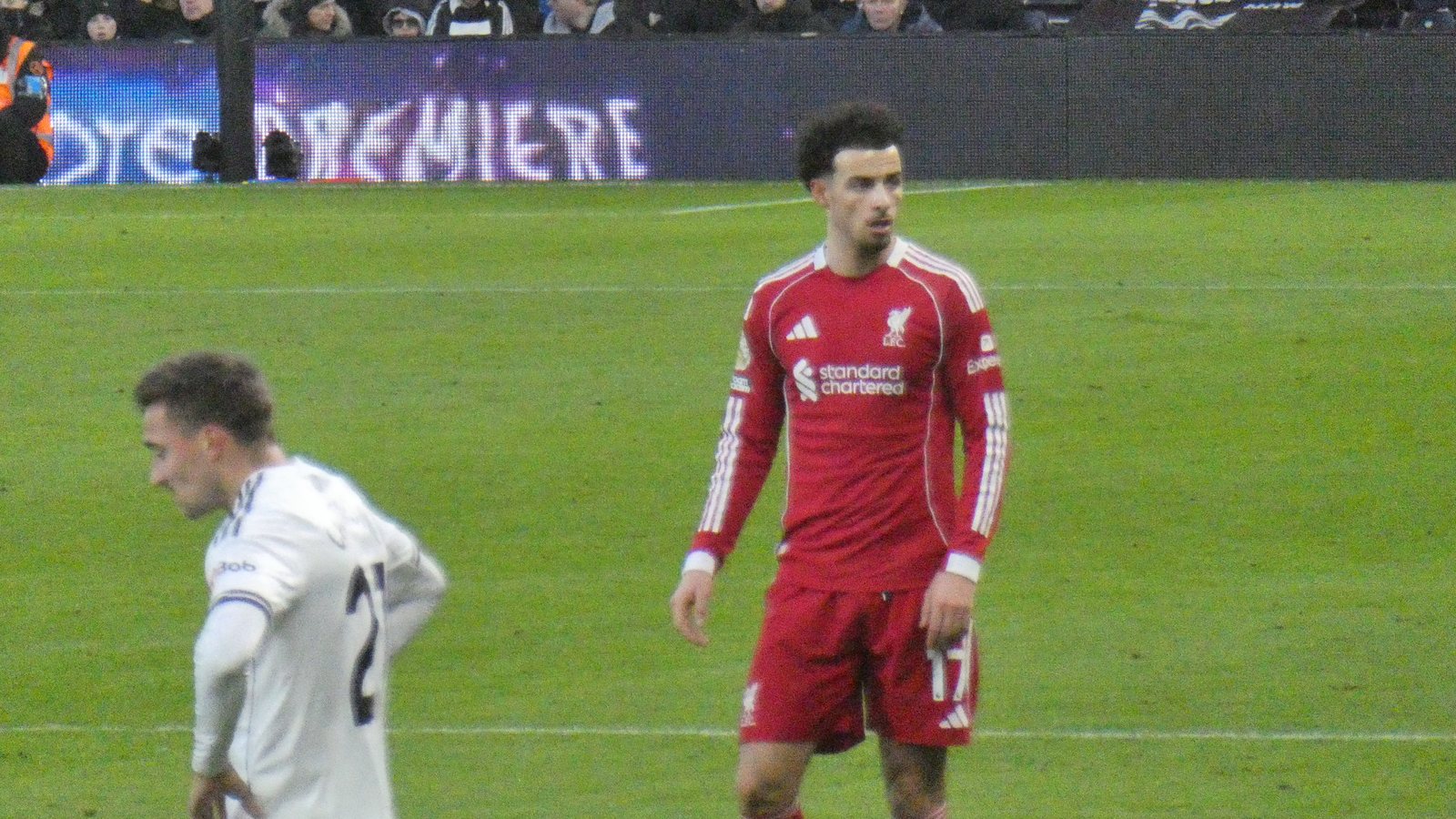

- A corner bot is a set of rules with parameters: minute, pressure, score and odds.
- The most important rules are the ones for when NOT to enter, and every alert is logged so you can measure.
- AI helps you write and test the rules; it does not guess the next corner or guarantee a profit.
Save this guide: it is a long one and works best followed one step at a time, with the list below at hand.
Your progress is saved in this browser.
What is a live corner bot, really?
A bot is not magic.
It is a list of rules that someone wrote before the match.
While the match runs, the bot checks those rules every minute.
If they are all met, it sends an alert.
If one is missing, it stays quiet.
So where does AI come in?
AI helps you think through the rules, organize them and test them against past data.
It does not watch the match for you and does not know what will happen.
That is the honest starting point of this whole guide.
If you prefer to start from the general idea, first read how to build your own betting bot with parameters.
Here we bring that idea down to a single market and to live logic.
This is content for adults 18 and over.
No bot guarantees a profit: a corner is a short event with a lot of chance.
Bet only money you can afford to lose.
Which live data to watch, minute by minute
A bot can only use what reaches it.
Before writing rules, decide which data you are going to have.
These are the ones used most for the corners market.
| Data | What it is for | Hard to get |
|---|---|---|
| Minute | How much time is left | Easy |
| Score | Who needs to push | Easy |
| Corners per team | Pace of the match | Easy |
| Shots and dangerous attacks | Current pressure | Medium |
| “One more corner” odds | Knowing whether there is a price | Hard |
The first three come from almost any live-results app.
Dangerous attacks depend on the source.
Live odds are the hardest, because they change in seconds and every bookmaker shows its own.
One important clarification.
The public data in our corner backtest is full-time data.
It has no corners by half and no live data.
It helps you understand the market, not train the minute-by-minute alert.

How to write the entry rule, with parameters
An entry rule is a condition with numbers.
Each number is a parameter you can change.
That way you can test a version, measure it and adjust it without starting from scratch.
This is an example template.
The values are illustrative only: they are not recommendations and they do not come from a study.
| Parameter | Example value | What it controls |
|---|---|---|
| Minimum minute | 70 (example) | Do not alert too early |
| Maximum minute | 86 (example) | Leave real time on the clock |
| Recent shots | 3 in 10 min (example) | Current pressure |
| Goal difference | max. 1 (example) | Match still open |
| Minimum odds | 1.50 (example) | The price must be worth it |
Read aloud, the bot says something like this.
If we are between minute 70 and 86, there was pressure in the last ten minutes, the match is level and the odds reach the minimum, send the alert.
If not, do nothing.
Turn these rules into a numbered checklist that I can go through in every live match.
Minute between 70 and 86. At least 3 shots in the last 10 minutes. Maximum goal difference of 1. Minimum odds 1.50.
For each rule, add a yes-or-no question and a line that says “if no, do not enter”.
That checklist is already a bot on paper.
If you later want to automate it, the same list translates into code or into an alerts tool.
You can see how in the guide to alert software without coding.
When NOT to enter: the rules that matter most
Beginner bots have rules for entering.
Good ones have more rules for not entering.
Not entering is also a decision, and it is the one that saves the most money.
- Few minutes left: if your maximum minute has passed, the window has closed.
- Closed match: one team leads by two goals and only defends, so pressure does not turn into corners.
- Odds without a price: if they pay less than your minimum, there is no edge even if the corner comes.
- Doubtful data: if the source went down or the numbers do not add up, do not enter.
- Losing streak: after several failed alerts in a row, stop and review before continuing.
- You are on tilt: if you are angry or itching to win it back, the bot is not the problem.
On timing, one useful idea.
The odds for “at least one more corner” depend on the clock.
Near the end they pay more, but it is also more likely that the corner will not come.
The interesting spot combines enough time with real pressure, as we explain in when the next corner comes.

What the real corner data says (and what it does not)
Before putting numbers into your bot, look at what is known about the market.
In our analysis of 39,856 matches from 16 leagues the average was 9.80 corners per match.
Over 9.5 landed in 50.9% of cases.
It also showed that the league changes the count a lot.
Over 9.5 was 38.6% in one league and 59.4% in another.
That is why a bot with a single threshold for every league is a badly calibrated bot.
And it showed what cannot be known.
Those files have no corner odds, no corners by half and no live data.
We measured frequencies, not profitability.
Your bot has to build its own evidence, alert by alert.
| Finding | What it means for the bot |
|---|---|
| The league weighs a lot | Different parameters per league |
| The favorite wins more corners | The odds already know it: not enough |
| More goals does not mean more corners | Do not use the score as a corner signal |
| No data by half | Measure it yourself, live |
How to log every alert so you really measure
A bot without a record is a hunch with more steps.
The only way to know whether your rule works is to write everything down.
Every alert, including the ones you did not play.
To organize that record with an AI, paste in the spreadsheet and ask for a summary by league and by alert minute.
More steps to set it up in create and train your own AI.
I am giving you my log of corner alerts as a table.
Group by league and by minute range (70-75, 76-80, 81-86).
For each group, tell me how many alerts there are, what percentage ended in a corner and whether the sample is too small to draw conclusions.
Do not make up data that is not in the table.
How much to bet when the alert sounds
The bot decides when it alerts.
You decide how much you put in.
Set a small amount and always the same one, a small percentage of the bankroll.
Never raise the amount to recover a loss.
To work it out with a method, try the Kelly calculator or the guide to bankroll management.
If your edge is not proven, the fair bet is the minimum.
The shortcut: Gambeta’s corners bot
Programming, getting data and keeping everything running takes time.
That is why Gambeta’s corners bot exists.
It watches the matches for you and sends the alert to a private Telegram channel.
It works like this.
When the first half or the match is ending and a corner is still missing, the bot alerts you with the match and the market.
You look for “at least one more corner” at your bookmaker and decide whether to play.
It is a one-time, lifetime payment of 19.99 USD.
It is an alert tool, not a promise of profit.
It does not replace your record or your judgment: it is there so you do not have to watch eight matches at once.

What to read next
If you want the market numbers, go back to the corner myths and data.
If you want to apply the same method to other alerts, continue with automatic alerts without coding.
And to see how we measure our own picks, look at the Betting Journal and the guide to AI for betting.
Betting carries risk and is for adults 18 and over only.
If you feel you are losing control, see the responsible gambling guide and ask for help.
Frequently asked questions
Can you build a corner bot with AI without knowing how to code?
Yes, up to a point.
You can write the rules in plain language and ask an AI to organize them and turn them into a checklist or a spreadsheet.
For the alert to arrive on its own, live, you need a data source and a bit of code or an automation tool.
What live data does a corner bot need?
At a minimum: minute, score, each team’s corners, shots and dangerous attacks.
If you also have the odds for “at least one more corner”, even better.
Without the odds you cannot know whether the alert has a price.
Can an AI predict the next corner?
No.
A corner kick is a short event with a lot of chance.
What you can do is filter moments of high pressure and record what happened, to measure over time whether the filter works.
When should you not enter?
When fewer minutes remain than your rule requires, when the game is closed in favor of the side defending, or when the odds no longer pay for the risk.
Also when you do not have the match data: no data, no entry.
How do I know if my bot works?
By logging every alert, including the ones you did not play.
With a few dozen alerts you cannot conclude anything.
You need hundreds, and you have to compare the result against the odds they paid.
Does Gambeta’s corners bot do the same thing as this guide?
It is a shortcut: it alerts you on Telegram when the match is ending and a corner is still missing.
You play “at least one more corner” at your bookmaker.
It is an alert tool, not a promise of profit.
🌍 GLOBALFrom any country · Telegram with a translator into your language
📲 The AI's picks, free on your phone
Every new pick arrives the moment it's made, with a link to its analysis. Choose where to get it:
How each one works: Free AI betting channel on Telegram · Free WhatsApp betting tips channel · Betting channel: Telegram or WhatsApp?